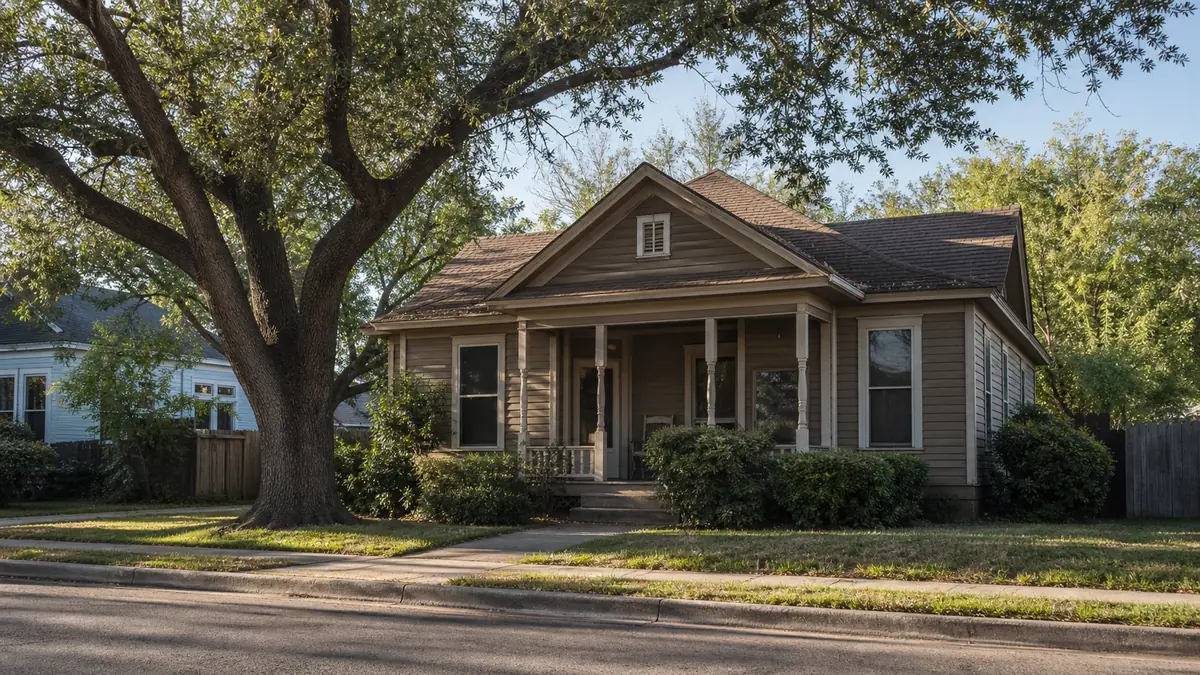
If you are the executor of an estate in Brownsville and the family wants to sell the house, you have probably run into a word that slows everything down: probate. The house is sitting there, the bills keep coming, and you cannot just put it on the market the way you would your own home. This guide walks through what probate is, why a house usually has to go through it before it can be sold, what your job as executor actually involves, and your honest options for getting the house sold in Cameron County.
This is general information, not legal advice. Every estate is different. For your situation, talk to a Texas probate attorney and the Cameron County clerk's office. Many attorneys offer a first consultation at low or no cost, and that hour can save you months of guessing.
What is probate and why does the house have to go through it?
Probate is the court process that proves a will is valid and gives someone the legal authority to settle the estate, including selling the house. The short reason the house has to go through it: a dead person cannot sign a deed, so the court has to officially hand that power to a living person first.
When someone passes, their house does not automatically belong to the heirs in a way a buyer or title company will accept. The title still sits with the person who died. Probate is how the law moves that title, pays the final debts, and confirms who has the right to sell. Until that happens, most buyers and every reputable title company will pause, because they cannot insure a sale that nobody had the authority to make.
There are a few situations where a full probate is not needed, like certain transfers handled outside the court. But when a house is involved and it needs to be sold, some version of probate is usually part of the path.
Independent vs. dependent administration in Texas
Texas has two main ways to run an estate, and which one you are in changes how easy the sale will be. The big difference is how much the court has to be involved in each step.
- Independent administration. This is the lighter, more common route in Texas, and it is one reason Texas probate has a friendlier reputation than many states. If the will allows it, or all the heirs agree, the executor handles the estate with limited court supervision. That usually means you can sell the house without asking a judge to approve each move.
- Dependent administration. This is the heavier route. The court stays closely involved, and selling the house often requires getting the judge's approval before you can close. It is slower and costs more, but it can be the right fit when heirs disagree or the estate is complicated.
You do not get to simply pick the easy one. Which path you are in depends on the will, the court, and whether the family is on the same page. A Texas probate attorney can tell you quickly which one applies to your estate and what that means for a sale.
What does the executor or administrator actually do?
The executor is the person the court trusts to settle the estate, and selling the house is often one of their biggest jobs. In plain terms, you are the one with the legal authority to act for the estate once the court says so.
If there is a will, the person named in it is usually the executor. If there is no will, the court appoints an administrator to do the same work. Either way, the role looks similar:
- Gather the estate's assets and keep them safe, including the house.
- Keep the house insured, and keep the mortgage, taxes, and utilities current so nothing lapses.
- Pay the estate's valid debts and final expenses.
- Sell the house if the family decides to sell, and distribute what is left to the heirs.
It is real work, and it usually lands on one person during a hard season. Knowing the steps ahead of time takes some of the weight off.
Can you sell the house before probate closes?
Yes, in many cases you can sell the house before the full estate is wrapped up, as long as you have the legal authority to sign. You do not always have to wait for probate to close completely.
What matters is whether you hold that authority yet. Under independent administration, an executor often has broad power to sell once the court has appointed them. Under dependent administration, the court may need to approve the sale first. A buyer worth working with closes when your paperwork is actually ready and never pressures you to sign before the estate allows it. If you want the moving parts laid out simply, our guide on how to sell your house fast walks through them in plain English.
What are Letters Testamentary, and why does the buyer ask for them?
Letters Testamentary are the court document that proves you are the executor and have the power to act for the estate. Roughly speaking, they are your permission slip from the judge, and a buyer or title company asks for them because it is how they confirm the sale is legal.
Without that document, a title company has no way to know you are the right person to sign the deed. With it, they can insure the sale and move money with confidence. If there is no will and the court appointed an administrator, the equivalent document is often called Letters of Administration, but it serves the same purpose. Getting these letters is one of the first real milestones in a probate sale, so it is worth asking your attorney early how long they take in Cameron County.
Common delays in a Texas probate sale
Most probate delays come down to a few familiar causes, and knowing them ahead of time helps you keep the sale moving. None of them are unusual, but each one can add weeks.
- Waiting on the court to appoint the executor and issue the letters.
- Heirs who do not yet agree on whether or how to sell.
- A missing or contested will that the court has to sort out.
- A dependent administration where the judge must approve the sale.
- Unpaid debts or liens against the estate that have to be cleared before closing.
The honest takeaway: a probate sale runs on the court's clock as much as yours. That is exactly why so many executors choose a buyer who can close as soon as the paperwork clears, instead of one whose own financing might fall through and start the wait over.
How does Easy Offers Cash work with an executor?
We keep it simple, and we move at the speed your probate allows, never faster than your paperwork.
- You send us the address and tell us where the estate stands. Call or use the form.
- We look at recent comparable sales and the condition you describe, then send a written cash offer within 24 hours, with the comps so you see how we got to the number.
- You sell the house as-is. No repairs, no cleaning, no showings, no cleanout. Take what means something to the family and leave the rest.
- You pay no fees and no commissions. We cover the standard closing costs.
- You, as the executor, pick the closing date. A licensed title company coordinates with the estate and handles the paperwork and the money, so everyone gets paid right.
If the number does not work for the family, you walk away. No fee, no obligation, no pressure. And if a cash sale is not the right answer, we will tell you straight. Our page on selling a house in probate and our selling an inherited house guide cover your other options too.
The honest tradeoff is the same one I give everyone. A traditional listing can bring a higher price, but it takes longer and can fall through on a buyer's financing, which is rough when you are trying to settle an estate on the court's timeline. A cash sale is faster and certain, and it skips the repairs and showings, but it will not be top of the market. You decide which one fits your family.
I am Lorenzo, and I have been buying houses since 2022, right here in Brownsville. I have worked with executors carrying a lot at once: grief, a stack of legal paperwork, and a house that the family is counting on them to handle. When you are ready for a real number, we will give you one, and we buy across Cameron County, not just in town.
If you want a straight answer on what the estate's Brownsville house is worth in cash, we can have a written offer to you within 24 hours. No fee. No obligation. You stay in control the whole way.