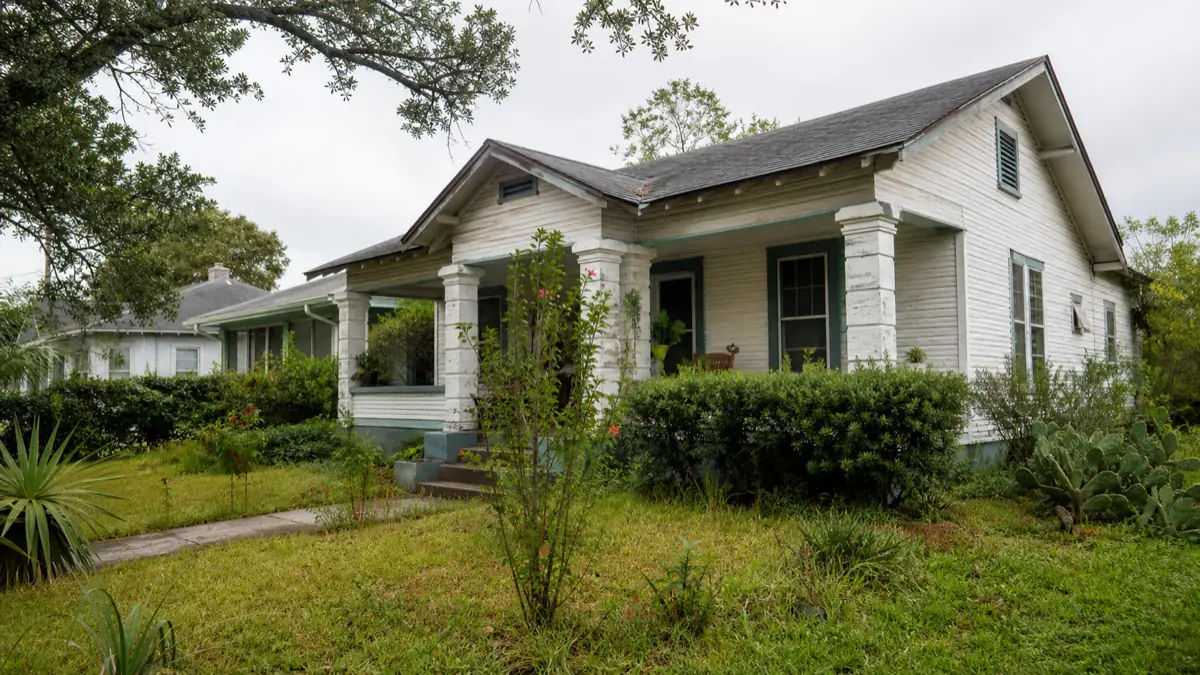
If you own a house in Brownsville that needs more work than you can take on, you can still sell it. You do not have to fix the fire damage, dry out the flooding, or repair the foundation first. This guide walks through what selling "as-is" actually means, the one honest catch you have to know about in Texas, the common situations that lead people here, and how a cash buyer prices a house that needs real repairs.
This is general information, not legal advice. For your exact situation, especially anything about disclosure, talk to a Texas real estate attorney. A short call now can save you a real headache later.
What does selling a house as-is actually mean?
Selling as-is means you sell the home in its current condition and the buyer accepts it exactly as it sits, with no promise from you to make repairs. You are telling the buyer, up front, that the price reflects the shape the house is in. They cannot come back later and demand you fix the roof or replace the AC as a condition of closing.
That is the whole idea behind as-is meaning. It moves the repair burden off your plate. You are not signing up to be a contractor or to spend money you may not have. The buyer factors the condition into their number and takes the house from there.
What as-is does not mean is that condition stops mattering. It still drives the price. A buyer who knows the slab is moving will price for that. As-is just decides who handles the work, not whether the work counts.
The one catch: as-is does not cancel your disclosure duty in Texas
In Texas, selling as-is does not remove your legal duty to disclose known defects on the seller's disclosure notice. This is the part sellers most need to hear. As-is limits repairs. It does not let you hide a problem you already know about.
If you know the house took on water in a storm, or there was a fire in the kitchen, or the foundation has been cracking, you are generally expected to put what you know on that disclosure form. Selling as-is and staying quiet about a known defect are two different things, and the second one can come back on you.
The safe move is simple. Be honest about what you know, write it down, and let the buyer price it in. If you are unsure what you have to disclose or how to word it, talk to a Texas real estate attorney before you sign anything. This is exactly the kind of question they answer every day.
What kinds of houses get sold as-is around Brownsville?
Most as-is sales come from a handful of situations where fixing the house first is not realistic. Here in the Rio Grande Valley, a few of these come up again and again.
- Fire and smoke damage, where even a contained fire leaves smoke and water damage through the rest of the house. Selling a fire-damaged house is one of the most common as-is sales we see.
- Water and flood damage, including damage from Valley storms and hurricanes that pushed water into homes that had never flooded before.
- Foundation and slab movement, which is common in South Texas because of how our clay soils swell and shrink with the weather. Cracked walls and sticking doors are the usual warning signs.
- Roof and major systems at the end of their life, where the roof, AC, plumbing, or electrical all need work at the same time.
- Hoarder homes and houses that need a heavy cleanout, often after a death or a long illness. You can read more about selling a hoarder house if that is your situation.
- Code violations or unpermitted work, like an addition or a converted garage that was never permitted.
- An inherited or long-vacant house that has simply gone downhill while no one was living in it.
If your house is in one of these spots, you are not alone, and you are not stuck. There is a path to selling it without sinking money into it first.
Why fixing the house before you sell often does not pay
Repairing before you sell often costs more than it returns, in money, time, and stress. Major repairs take cash you may not have, and they take weeks or months you may not have either. On top of that, big repairs frequently do not return their full cost when you sell.
There is a second problem. Once you start opening up walls and tearing out flooring, you find more. A roof job uncovers rotten decking. A foundation fix reveals plumbing that broke when the slab shifted. The budget grows, and the timeline grows with it.
For a lot of people in a tight spot, the math just does not work. You would be borrowing or draining savings to fix a house you are trying to get rid of, and hoping you make it back at the closing table. That is a real gamble, not a sure thing.
Will listing it "as-is" on the open market work?
Listing as-is on the MLS still means showings, and most financed buyers will not take on serious fire, flood, or foundation damage anyway. That is the trap. The "as-is" label in the listing does not change who is shopping. Most buyers on the open market need a mortgage, and their lender and appraiser have a say.
When an appraiser or a lender sees major structural, fire, or water damage, the loan often falls apart. So the buyers who can actually close on a heavily damaged house are usually cash investors, and they were going to find your listing either way. Meanwhile you are still cleaning up for showings, keeping the house available, and waiting.
The result is that you often end up with the same kind of investor offer you could have gotten in a day, except now it arrives after weeks of showings and a deal or two that fell apart. If the condition is serious, going straight to a cash buyer skips a lot of that. For the full picture on speed, our guide on how to sell your house fast lays out every option side by side.
How does a cash buyer price an as-is house?
A cash buyer starts with what the house would be worth fixed up, then subtracts the cost of the repairs and a fair margin. In plain English, the math is the after-repair value, minus the repairs the house needs, minus the margin that makes the deal work. That is the number.
We do not ask you to take that on faith. At Easy Offers Cash, we show you the comparable sales we used, so you can see how we got to the value before any repairs come out. You see the real numbers, not a figure pulled out of the air.
Here is how we handle an as-is house:
- You tell us the address and what the house needs. You can call or use the form. Photos help, but they are not required.
- We look at recent sales near you and the condition you describe, then send a written cash offer within 24 hours, with the comparable sales we used so you see the math.
- If the offer works for you, you pick the closing date, and a licensed title company handles the paperwork and the money.
- You make no repairs and do no cleaning. Leave behind whatever you do not want. You pay no fees and no commissions, and we cover the standard closing costs.
If the number does not work for you, you walk away. No fee, no obligation, no pressure. We mean that.
I am Lorenzo, and I have been buying houses since 2022, right here in Brownsville. I have stood in houses after a fire and houses where the floor was not level. The condition does not embarrass me and it should not embarrass you. Stuff happens to houses. What matters is getting you a fair, honest number so you can move on.
If you want a straight answer on what your Brownsville house is worth in cash, as-is, we can have a written offer to you within 24 hours. No fee. No obligation. You stay in control the whole way.