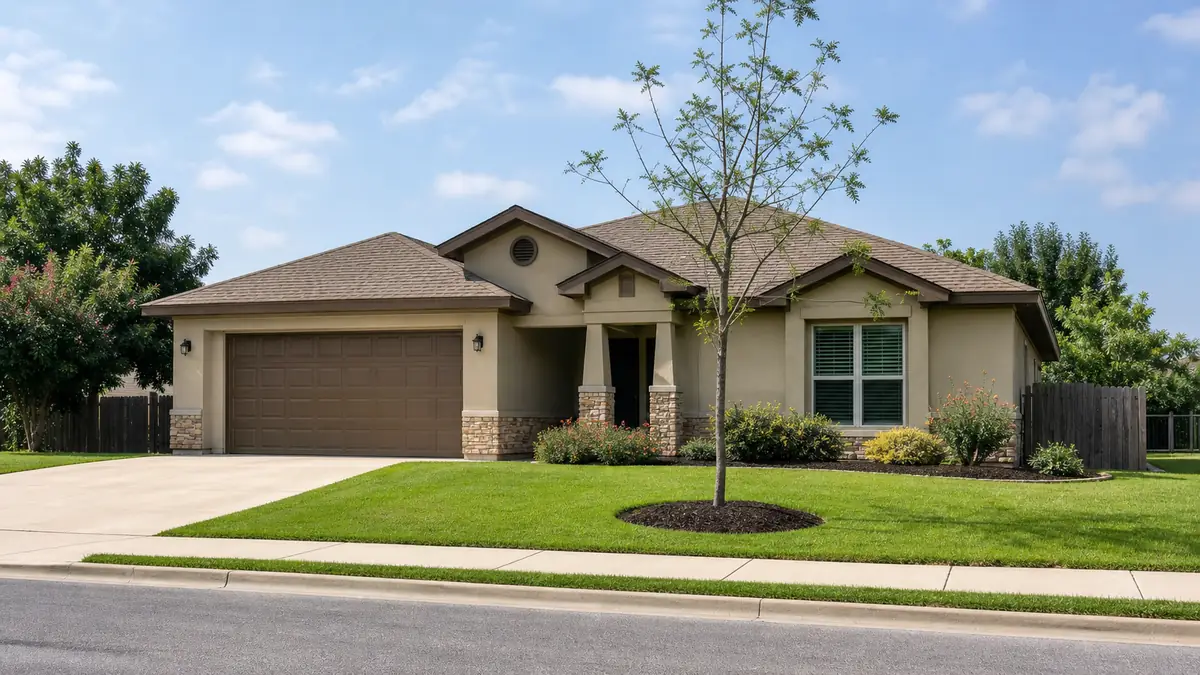
If you just lived through a house fire in Brownsville, I am sorry. Whether the damage is one room or most of the structure, you are dealing with a lot at once: the insurance company, a place to stay, and a house you may not know what to do with. This guide walks through what fire damage does to a normal sale, the honest options you have, how insurance fits in, and how a cash sale works if you would rather be done with it.
This is general information, not legal, tax, or insurance advice. For your exact situation, talk to your insurance company, a Texas real estate attorney, or a public adjuster, and read your own policy first.
How does fire damage affect selling a house normally?
Fire damage makes a traditional sale slower and less certain, mostly because of lenders. Most buyers need a mortgage, and a mortgage means an appraisal and often a separate inspection. When an appraiser or inspector sees fire damage, smoke staining, or a roof and electrical system that took heat, the deal gets complicated fast.
Here is what usually happens. The lender may refuse to fund the loan until the damage is repaired, because the house is their collateral. So the buyer either walks away or asks you to fix everything first. Either way, you are stuck.
A few other things slow a normal sale of a fire-damaged home:
- Many buyers fear hidden damage they cannot see, like smoke in the ductwork or weakened framing.
- Homeowners insurance can be hard for the next buyer to get after a recent fire claim, which kills financing.
- Smoke smell and visible char turn off the average family buyer, even when the bones are fine.
None of this means your house is worthless. It just means the normal path, listing with an agent and waiting for a financed buyer, is harder than it is for a clean house.
What are my options for selling a fire-damaged house?
You have three honest options, and the right one depends on how much damage there is and how much time and money you want to put in.
- Repair, then list. Fix the damage, then sell the house the normal way. This can get you the highest price, but you pay for the repairs up front, you wait weeks or months for the work, and then you wait again for a buyer and their lender. It only makes sense if the damage is light or your insurance payout covers the repairs and you have the patience to manage contractors.
- Sell as-is for cash. Sell the house exactly as it sits, fire damage and all, to a buyer who pays cash. You get less than a fully repaired house would bring, but you skip the repairs, the contractors, and the financing risk. This is the fast, certain path.
- Work with insurance and decide later. File your claim, see the payout, then choose. Sometimes the payout plus a cash sale of the damaged house is the cleanest way out. More on that next.
There is no single right answer. A smoke-damaged kitchen is a different decision than a house that lost its roof. Be honest about how much you want to take on.
How does insurance work when I sell a fire-damaged house?
In most cases your homeowners insurance pays a claim for the fire damage, and that money is yours to use, within the terms of your policy. The key question is whether you repair the house with that money or sell the house and keep the payout. That choice is yours, but read your policy first, because some details matter.
A few things to understand in plain terms:
- If you still owe on a mortgage, the insurance check often comes made out to both you and your lender. The lender controls how that money is released, usually tied to repairs. Call your loan servicer and ask how they handle it.
- You can often sell the house as-is and keep your insurance payout, or assign the claim, depending on your policy and your lender. Confirm this with your insurer before you sign anything.
- A public adjuster works for you, not the insurance company, and can help you get a fair claim amount. They take a percentage, so weigh that against what they recover.
Your policy is its own document, and I am not an insurance expert. Before you decide, get the claim number, the payout estimate, and a clear answer from your lender on how the money flows. You cannot make a good decision without those facts.
What do cash buyers actually do with fire-damaged homes?
Cash buyers fix the house and then either sell it or rent it out, which is why they can buy it in its current condition. We are not scared of fire damage the way a family buyer is, because rehab is part of what we do.
When we look at a fire-damaged house, we estimate the cost to repair it back to good condition, then work backward from what it will be worth once it is fixed. That is the honest reason a cash offer is below what a fully restored house sells for: someone has to pay for and manage that restoration, and that someone is the buyer.
The upside for you is real. There is no lender to satisfy, no appraisal to fail, no inspection contingency to blow up the deal at the last minute. You sell once, as-is, and you are done. If a cash sale is the route you want, read more on our fire-damage cash buyer page, and see the full step-by-step in our guide to selling a house fast for cash.
How does Easy Offers Cash handle a fire-damaged house?
We make it simple, and we never ask you to repair or clean anything. Here is how we handle it at Easy Offers Cash:
- You tell us the address and what happened, including the fire and the damage you know about. You can call or use the form. Photos help, but you do not have to let anyone walk through right away.
- We look at recent sales near you and the repair work the house needs, and we send you a written cash offer within 24 hours. We show you the comparable sales we used, so you see exactly how we got to the number.
- If the offer works for you, you pick the closing date. We can close in 7 to 30 days, and a licensed title company handles the paperwork and the money.
- You pay no fees and no commissions. We cover the standard closing costs. You sell the house exactly as it sits, char, smoke, and all. No repairs, no cleaning, no showings.
If the number does not work for you, you walk away. No fee, no obligation, no pressure. We mean that.
What is the tradeoff with a cash sale?
The tradeoff is simple: a cash sale is faster and more certain, but it is not top-of-market. A repaired house listed with an agent can bring more money, if you have the cash to fix it, the patience to wait, and the stomach for a financed buyer who might still fall through. A cash sale trades some of that top dollar for speed, certainty, and zero work on your end.
For some people the extra money is worth the wait. For others, especially right after a fire, being done matters more than squeezing out the last few thousand dollars. Only you can weigh that, and you should do it with real numbers in front of you, not a guess.
I am Lorenzo, and I have been buying houses since 2022, right here in Brownsville. A fire is one of the hardest things that can happen to a home, and you did not plan for any of this. There is no judgment here about the state of the house. Whatever shape it is in, it is just a house.
If you want a straight answer on what your fire-damaged Brownsville house is worth in cash, we can have a written offer to you within 24 hours. No fee. No obligation. We also buy throughout Cameron County and the rest of the Rio Grande Valley, so wherever the house sits, we can help.